

oiwvgx.over-blog.com/
18 Janvier 2021


Note taking is an art form and a science. It's important to have to have a system that works for your memory, your classes, and your sanity. Resize sense 2 1 3. Students who do not know effective note-taking strategies can suffer from a distinct disadvantage over those that have a system. Students that don't know the correct way to take notes think note-taking is a waste of time.
Sometimes you can't take notes in their one on one. Maybe you went for a walk, were getting a coffee/drink, or took them out to lunch and never had a break in the discussion. Whatever the reason, it's important to write things down while it's fresh in your mind and before you get distracted by the million other things you have to do. Now, in Keep Moving: Notes on Loss, Creativity, and Change, Ms. Smith gives her readers a deeply moving book of quotes and essays, writing about new beginnings as opportunities for transformation.
They have the syllabus, the book, and their friends- what else do you need? The thing is that you take notes on things that you can't get from these other sources.
Sometimes your teacher offers tips or actual answers on the test, or gives an example that helps you remember the concept better. There's also the chance that you have a lecturer that tests on what they taught, and not what you can read.
Note-taking makes life a lot easier to handle when it comes time to take big tests and write papers. https://ameblo.jp/971pulchmorbismos1/entry-12649892671.html. Good note-taking helps you recall information that you can easily forget months or weeks later, and it also helps keep you focused on the material taught in class.
True learning stems from active listening and comprehension. Note-taking gives students and professionals a mechanism to store information and process it at a later date. If you write it down, there's a lot better chance that you will be able to remember it when it matters most.
It's hard to trust your memory in college. Whether you're going part-time or full-time, there's a lot going on in your life, and let's face it- there's not very many of us that have an eidetic memory. If you're taking one class, it's a lot easier to remember things. If you're taking 5, especially if they have similar subject matter or concepts, it's going to be more difficult to keep things straight.
Taking notes also gives you focus on what's important in the textbook from the perception of your professor or teacher. On the flip side, it also allows you to expand on concepts that the textbook might not have covered very well or very briefly.
Effective notes encompass a wide array of important facts, definitions, names, and dates and concepts that relate to the subject matter. By melding your notes with the additional facts and information provided to you, you'll not only be able to score a good grade or ace that test- you'll actually remember the stuff to apply it in the real world.
First things first- don't try to capture everything that happens in a lecture on paper. It's virtually impossible to transcribe any lecture word-for-word, even if you record it. Be sure to focus on the most important aspects of the material to avoid confusion, and then you won't waste time and hassle from having to wade through every detail when it's time to prepare for a big test or term paper.
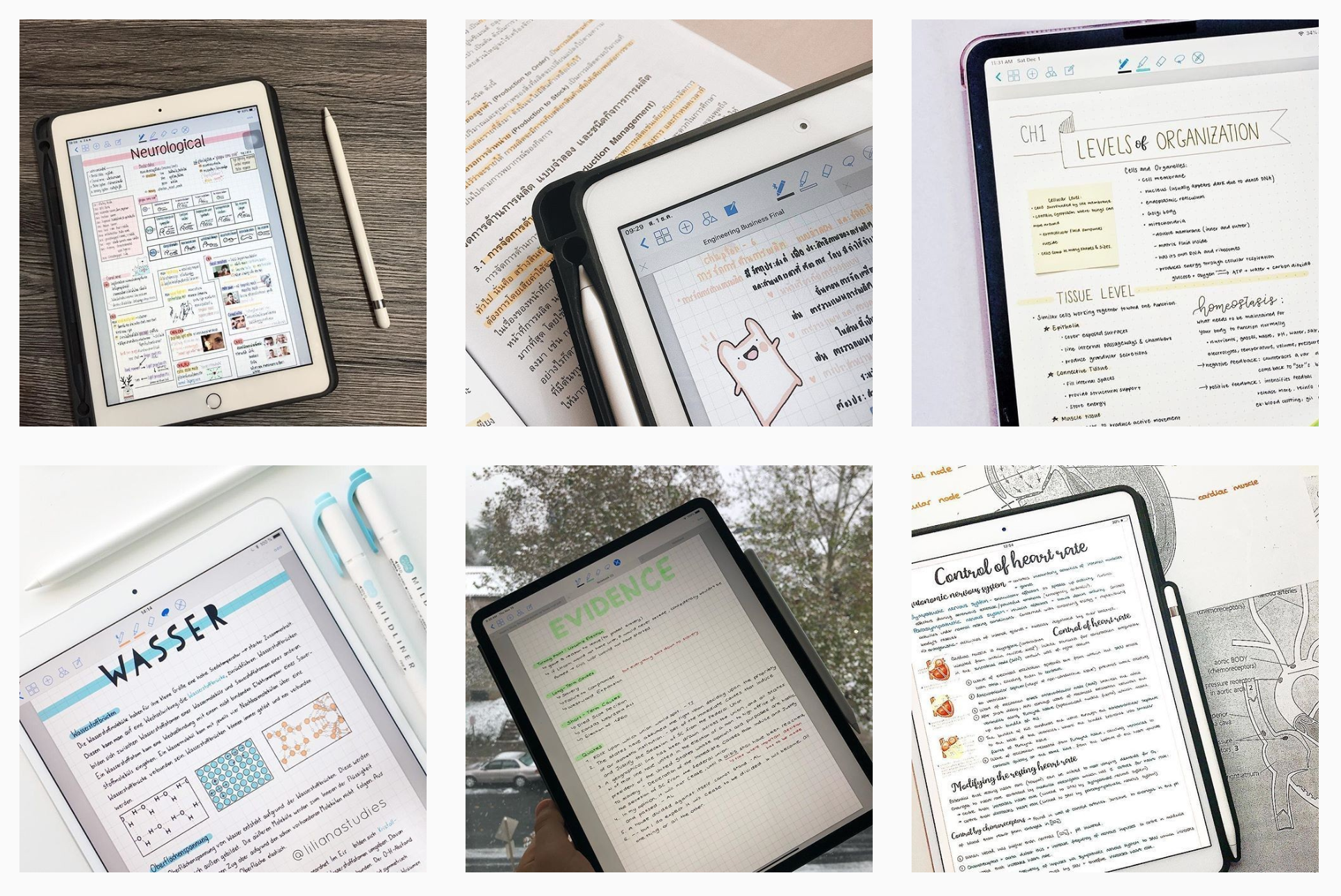
With that mindset, the next thing you need to figure out is what kind of organizational system you want to use. Are you going all digital, or are you planning on using the old-school notebook? Some people type faster than they write, but hand-written notes give you a way to focus on specific concepts rather than trying to transcribe things word-for word.
Once you choose the method that works best for you and allows you to participate and understand the concepts discussed, then you can figure out which note taking system works for that subject or helps you recall the information later. Here's several different methods that might work from Cal Poly San Luis Obispo:
Thunderbolt cd drive mac. A systematic format for condensing and organizing notes without laborious recopying. After writing the notes in the main space, use the left-hand space to label each idea and detail with a key word or 'cue.'
Rule your paper with a 2 ½ inch margin on the left leaving a six-inch area on the right in which to make notes. During class, take down information in the six-inch area. When the instructor moves to a new point, skip a few lines. After class, complete phrases and sentences as much as possible.
Mapping is a method that uses comprehension/concentration skills and evolves in a note taking form which relates each fact or idea to every other fact or idea. Mapping is a graphic representation of the content of a lecture. Quickpick v2 0 3 ubserial download free. It is a method that maximizes active participation, affords immediate knowledge as to its understanding, and emphasizes critical thinking.
If the lecture format is distinct (such as chronological), you may set up your paper by drawing columns and labeling appropriate headings in a table.
Determine the categories to be covered in the lecture. Set up your paper in advance by columns headed by these categories. As you listen to the lecture, record information (words, phrases, main ideas, etc.) into the appropriate category.
Write every new thought, fact or topic on a separate line, numbering as you progress. Use this when the lecture is somewhat organized, but heavy with content which comes fast. You can hear the different points, but you don't know how they fit together. The instructor tends to present in point fashion, but not in grouping such as 'three related points.'
(Source: Cal Poly Student Academic Services)
Keep in mind that it might take a few lectures before you figure out the best method to use.Once you decide on the right method, you're ready to go to class and take excellent notes.
Good notes give students a great reference point to start studying. Effective note-taking provides students with direction and instills good organizational skills. Just remember that 8% of everything you learn from a lecture comes through listening and asking questions- so be prepared and you just might learn something!


/image%2F6289972%2F20210214%2Fob_00dc68_drive-genius-5-1-0-powerful-system-uti.png)
/image%2F6289972%2F20210214%2Fob_203ef6_vernissage-pro-mockup-studio-1-3-0.jpeg)
/image%2F6289972%2F20210214%2Fob_237e8a_mkvtoolnix-30-1.png)
/image%2F6289972%2F20210214%2Fob_c44a29_periscope-pro-3-3-download-free.png)